Britain's Betting Landscape Evolves Amid New Regulations and Tech Advances
Bianca Carter · Nov 6, 2026
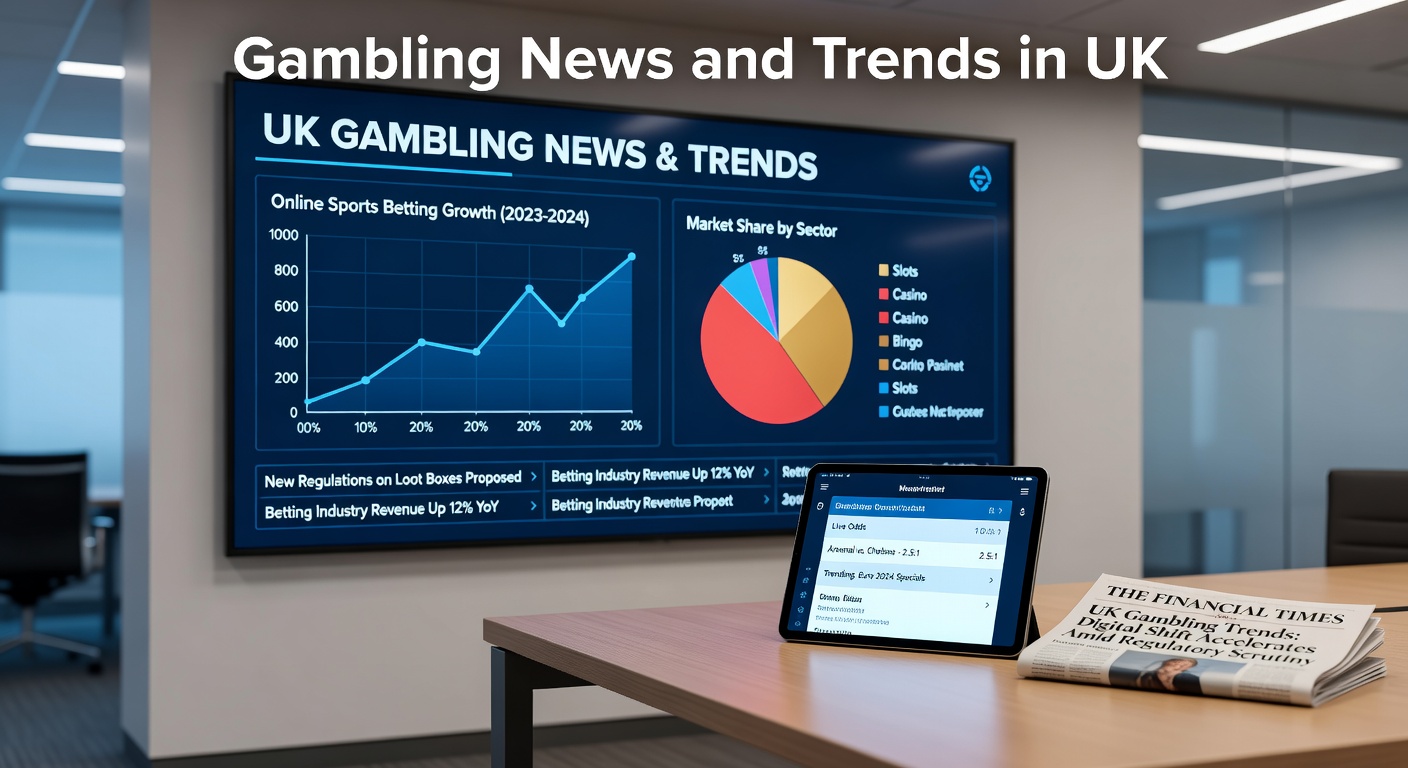
UK Gambling Commission Unveils First Estimates from New Gambling Survey for Great Britain
The UK Gambling Commission released initial figures from the New Gambling Survey for Great Britain on November 5, 2026, and these numbers focus on participation with illegal gambling websites. Past-month engagement stood at 0.6 percent among all respondents, a group that includes people who do not gamble at all. Researchers gathered responses through a structured national sample that tracks both licensed and unlicensed activity. Among adults who reported gambling online at any point in the previous twelve months, the picture shifts. Engagement with illegal sites reached 2.5 percent in the most recent four weeks, while another 1.5 percent had used such sites earlier in the twelve-month window but not recently. The combined total indicates that roughly four percent of recent online gamblers had some contact with illegal platforms during the year. Demographic patterns appear in the breakdown. Males showed higher rates than females across both recent and past-year measures. Younger adults, particularly those aged 18 to 24 and 25 to 34, recorded the largest shares of illegal-site use compared with older groups. Observers note that these age and gender differences align with patterns already seen in licensed online gambling participation. The survey methodology marks a change from earlier approaches. The New Gambling Survey for Great Britain uses a fresh sampling frame and updated questions that aim to capture both legal and illegal behavior more precisely. Because this release represents the first set of estimates, direct year-on-year comparisons remain limited until future waves arrive. Overall prevalence stays low relative to total population figures. The 0.6 percent past-month rate for the entire sample suggests that illegal website use affects a small minority even when non-gamblers are included. Stability comments in the release indicate that the figures do not show sharp spikes compared with prior indirect measures, though the commission cautions that longer data series will be needed to confirm trends. The commission links the survey to its broader monitoring role. Data from the New Gambling Survey for Great Britain feeds into policy work on consumer protection and enforcement against unlicensed operators. Officials have stated that the results will help target future compliance activity and public awareness efforts. Further sections of the release examine frequency of illegal-site visits and reasons respondents gave for choosing them. Common factors included perceived better odds or specific products unavailable on licensed platforms. The commission presents these details without attributing motives, focusing instead on the raw proportions.Survey Scope and Sample Details
The study drew responses from thousands of adults across Great Britain, with weighting applied to match census demographics. Questions covered gambling participation in the last twelve months, online versus offline channels, and any use of sites not licensed by the UK Gambling Commission. The illegal-site category includes both offshore operators without British licenses and domestic sites operating outside regulatory oversight.
Researchers separated recent activity from earlier activity to reduce recall bias. Respondents answered whether they had visited an illegal site in the past four weeks, between four weeks and twelve months ago, or not at all. This structure allows the commission to track both current and historical exposure within the same wave.
Age and Gender Breakdowns
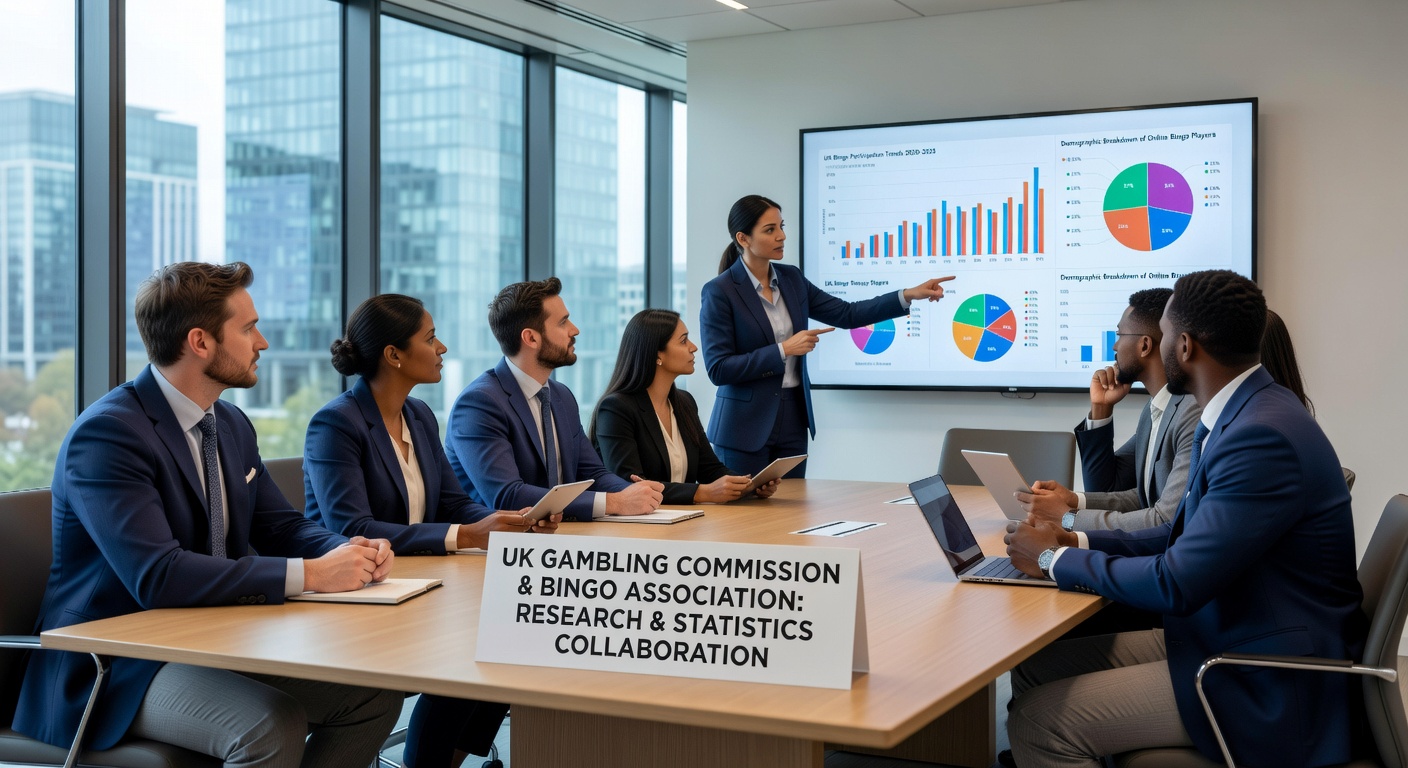
Men in the 18-24 and 25-34 brackets posted the highest percentages of illegal-site contact. Rates declined steadily in older cohorts, with the lowest figures appearing among those aged 55 and above. Female respondents showed lower overall engagement, yet the same age gradient appeared within that group. The commission presents these splits as descriptive statistics rather than causal explanations.
Because the survey includes non-gamblers in the base population, the headline 0.6 percent figure understates prevalence among active online gamblers. When restricted to the online-gambling subgroup, the recent-use rate rises to 2.5 percent, illustrating how base population choice affects interpretation.
Context Within Regulatory Framework
The UK Gambling Commission maintains a register of licensed operators and conducts enforcement against unlicensed ones. Survey data on illegal-site use supplies one indicator of market leakage. The November 2026 release forms part of a wider reporting cycle that also covers licensed market statistics and harm-prevention metrics.
Future waves of the New Gambling Survey for Great Britain will add longitudinal depth. Repeated measures will allow tracking of whether rates remain stable, rise, or fall in response to enforcement actions or regulatory changes. The commission has signaled that it will publish additional detail on methodology and confidence intervals in forthcoming technical reports.
Conclusion
The first estimates from the New Gambling Survey for Great Britain place past-month illegal gambling website engagement at 0.6 percent of all adults and 2.5 percent among recent online gamblers. Higher figures appear among males and younger adults, while overall rates remain low. The November 5, 2026, publication supplies a new baseline that regulators and researchers can monitor as additional survey waves arrive.