Nearly Half of Britons Engaged in Gambling Over Summer 2025: Gambling Commission's Fresh Data Breakdown
Nearly Half of Britons Engaged in Gambling Over Summer 2025: Gambling Commission's Fresh Data Breakdown

The Survey That Captures a Snapshot of UK Gambling Habits
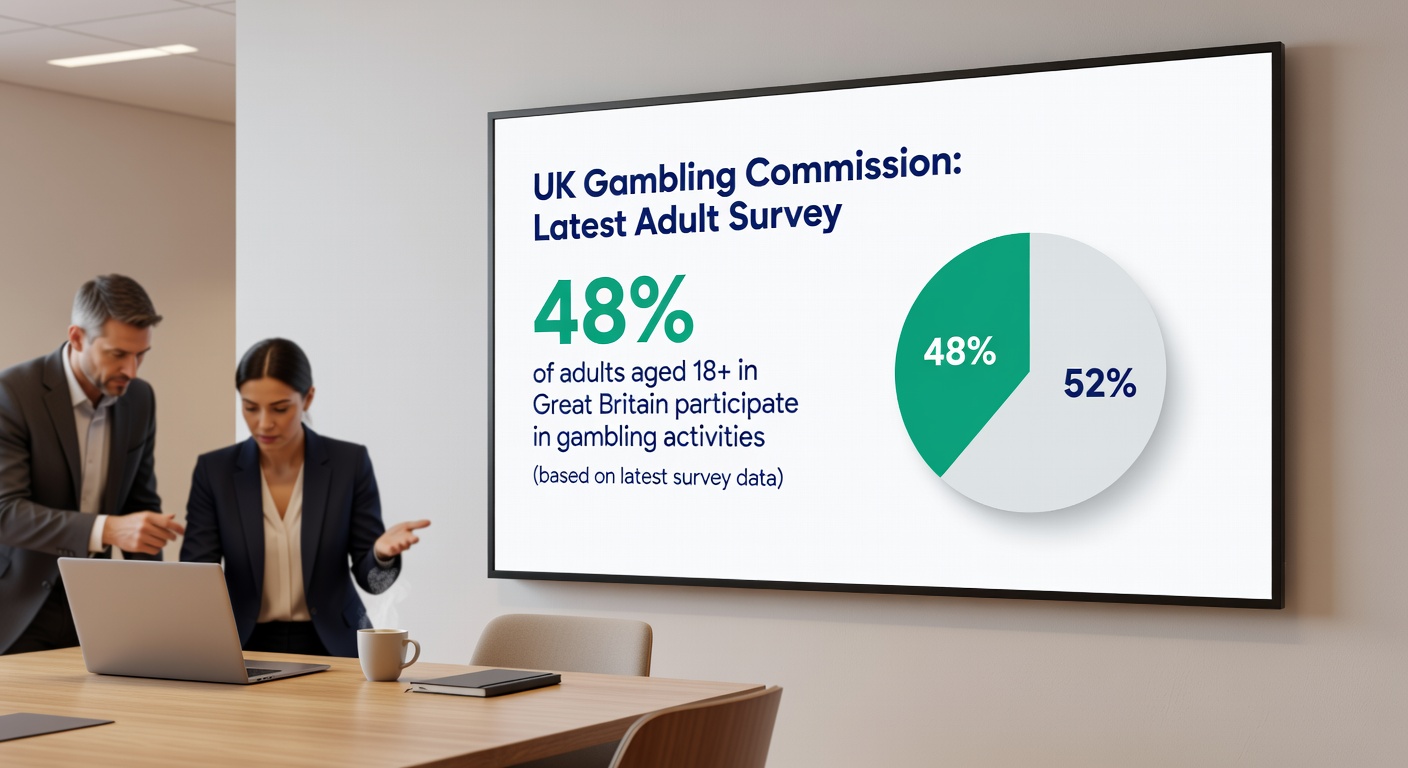
Researchers at the UK Gambling Commission unveiled their latest wave of data in early 2026, revealing that 48% of adults aged 18 and over in Great Britain took part in some form of gambling activity at least once during the four weeks spanning late June to late October 2025; this figure remains remarkably stable when stacked against the previous survey wave, signaling continuity in national habits despite ongoing conversations around regulation. Data collected by the National Centre for Social Research from a robust sample of 5,883 adults underscores these patterns, offering a clear window into behaviors that persist even as scrutiny from policymakers intensifies.
What's interesting here is how this stability plays out amid broader economic pressures and evolving online landscapes, yet the numbers don't budge much; experts who track these metrics note that such consistency often reflects deeply ingrained cultural norms around activities like lotteries, which draw in participants year after year without much fanfare.
Lottery Draws Take Center Stage in Everyday Gambling
Lottery activities emerged as the undisputed heavyweight in the survey, with 21% of all adults reporting that they gambled solely on lottery draws during the period—a dominance that aligns with long-observed preferences among casual participants who favor low-stakes, high-hope entries over more intense betting forms. Figures from the Casinos.com coverage of the report highlight this trend vividly, showing how lotteries pull in a broad swath of the population, from occasional players to regulars who treat draws like a ritualistic weekend check.
And while online slots or sports betting might grab headlines for their flashier appeal, lottery participation holds firm as the gateway for many; one analyst poring over the data pointed out that this 21% slice represents not just volume but a kind of baseline engagement, where people dip in without escalating to riskier pursuits. Turns out, this segment alone accounts for a significant chunk of the overall 48% participation rate, illustrating how accessible formats keep the overall numbers steady.
Bingo's In-Person Resilience Shines Through
In-person bingo participation clocked in at a steady 3% of adults, holding its ground without the dips seen in some digital alternatives; observers familiar with venue data appreciate this firmness, as bingo halls continue to draw social crowds who value the communal vibe over solitary app-based play. The official statistics on gambling participation—Wave 3, covering July to October 2025—capture this niche beautifully, noting how physical bingo resists erosion even as younger demographics lean digital.
Here's where it gets interesting: while overall gambling might fluctuate with seasons or events, bingo's 3% consistency suggests a loyal base that treats it less like a bet and more like a night out; researchers who've shadowed these venues report packed halls on weekends, where the clatter of markers and calls of "house" foster connections that screens can't replicate quite the same way.
Diving Deeper into the Methodology and Sample
The National Centre for Social Research spearheaded the fieldwork, polling 5,883 adults across Great Britain to ensure representativeness; this sample size, combined with rigorous weighting for demographics, lends the 48% headline figure—and its breakdowns—a high degree of reliability that regulators and operators alike rely on for shaping policies. Data indicates that responses covered the full spectrum of gambling types, from National Lottery tickets to online poker, allowing for granular insights into who gambles, how often, and on what.
But the real strength lies in the timing—late June through late October 2025 captures summer highs and autumn transitions, periods when disposable income and leisure time often spike; those who've studied prior waves notice how this window consistently mirrors annual averages, making the stability all the more telling as March 2026 discussions on affordability checks heat up.
Broader Trends Amid Regulatory Eyes
Participation at 48%—stable from before—comes as the UK Gambling Commission ramps up oversight, with recent measures targeting problem gambling through stake limits and ID verification; yet the data shows everyday engagement chugging along, lottery-led and bingo-bolstered, without dramatic shifts. Experts parsing the detailed report summary emphasize that this plateau challenges assumptions of rampant decline, instead painting a picture of measured, multifaceted involvement.
Take the case of one regional breakdown shared in the findings: urban areas hovered near the national average, while rural spots showed slightly higher lottery reliance—a nuance that highlights how geography influences choices, even if totals stay put. And as March 2026 brings fresh commission updates, these Wave 3 numbers serve as a benchmark, reminding stakeholders that half the adult population gambles moderately without tipping into excess.
So what does this mean for the landscape? Well, the figures reveal a market where lotteries shoulder much of the load (that 21% exclusivity is no small feat), bingo clings to its 3% turf with grit, and the overall 48% hums steadily; it's not rocket science, but it's noteworthy because it underscores resilience in traditions amid tech-driven changes.
Implications for Players, Operators, and Watchdogs
Operators eyeing these stats adjust accordingly, bolstering lottery integrations in apps while preserving bingo floors; data from the survey suggests that the 48% pool includes a mix—casuals at 21% lottery-only, plus multi-form players—creating opportunities for tailored responsible gaming tools. Regulators, meanwhile, use this stability to fine-tune interventions, ensuring that steady participation doesn't mask hidden vulnerabilities in subgroups.
People who've followed these annual waves often discover patterns like this one: bingo's hold at 3% mirrors pre-pandemic levels, a quiet win for venues battling closures; lottery's lead, on the other hand, benefits from its charitable tie-ins, drawing ethical punters who see it as more than mere chance. The ball's in the regulators' court now, especially with 2026 reforms looming, but the data lays it out plainly—gambling's woven into British life at a consistent 48% clip.
Wrapping Up the Key Takeaways
In the end, the UK Gambling Commission's Wave 3 data from summer to autumn 2025 delivers a steady-state report card: 48% adult participation, lottery commanding 21% solo engagement, bingo firm at 3%, all backed by a solid 5,883-person survey from the National Centre for Social Research. This snapshot, released amid March 2026's regulatory buzz, highlights enduring habits that withstand economic winds and digital shifts; as experts digest it further, one thing stands clear—the nation's gambling pulse beats reliably on.
Those tracking the beat know stability like this prompts deeper questions on sustainability, yet the facts speak volumes without needing embellishment.